
If you’ve ever stood in a kitchen store wondering why there are so many knives—and whether you really need more than one—this knife guide is for you. Knives come in thousands of shapes, sizes, and styles, each designed to do a specific job well. Some are essential. Some are specialized. And some are just plain cool.
This guide introduces the different kinds of knives, explains what they’re used for, and helps you understand which knife variations actually matter—especially if you’re shopping for your first real knife. Think of this as your starting map. You don’t need to know everything yet. You just need to know where to look next.
A Brief History of Humanity and Knives
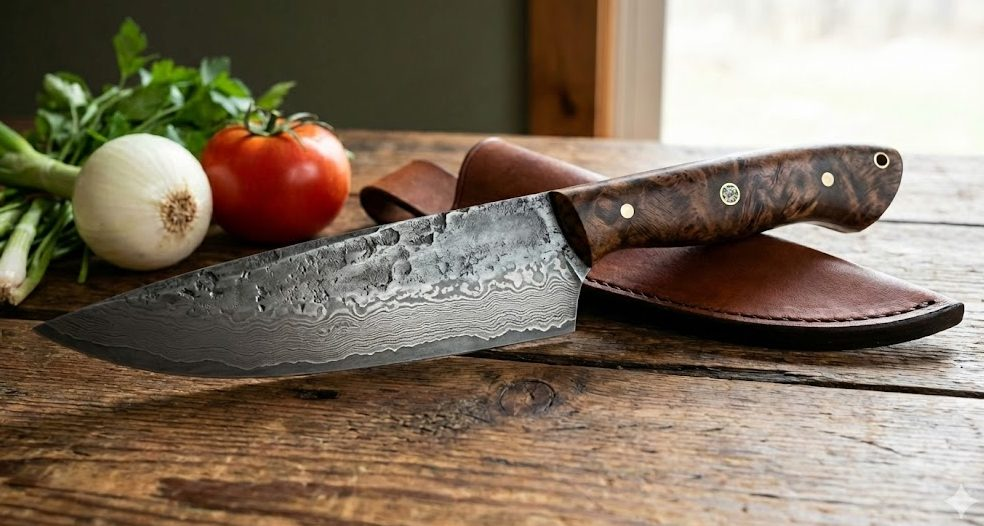
Knives are one of the oldest tools humans ever made. Long before kitchens existed, blades were used for survival—preparing food, crafting tools, and shaping materials. Over time, as cooking became more refined, knives evolved alongside it.
Today’s kitchen knives are the result of centuries of experimentation with blade shape, cutting edge design, and ergonomics. While materials and techniques have improved, the core idea hasn’t changed: a knife is a tool designed to make cutting safer, easier, and more precise.
And yes—knives are pretty cool.
Why Choosing the Right Knife Matters
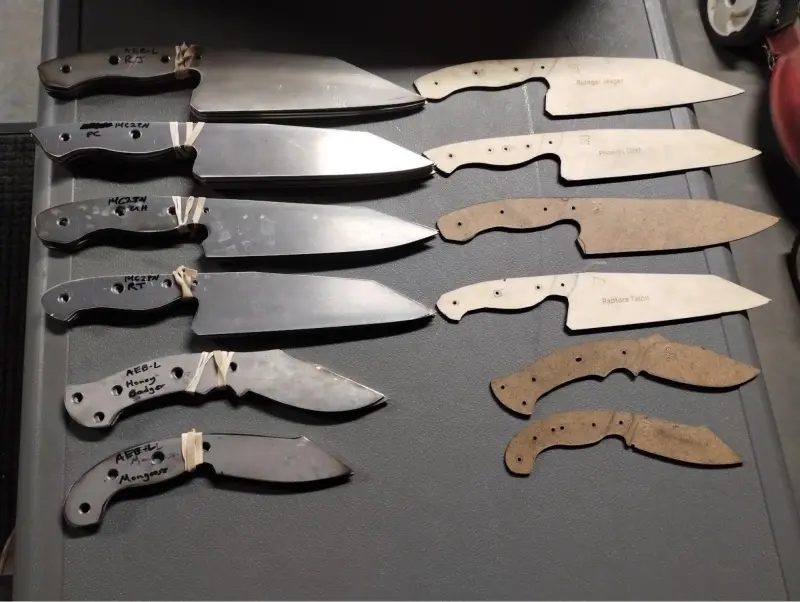
Using the right knife for the job isn’t about being fancy. It’s about control, safety, and results.
A blade designed for fruit and vegetables behaves differently than one meant for cuts of meat. A long, flat cutting edge excels at slicing, while pointed tips shine at detail work. When the knife matches the task, you use less force, get cleaner cuts, and enjoy the process more.
For home cooks buying their first quality knife, this matters even more. One good knife can replace several mediocre ones—if it’s the right one.
The Main Categories of Kitchen Knives
Below are the most important kitchen knife types you’ll encounter. Some are essential. Others are optional. All exist for a reason.
Chef’s Knife
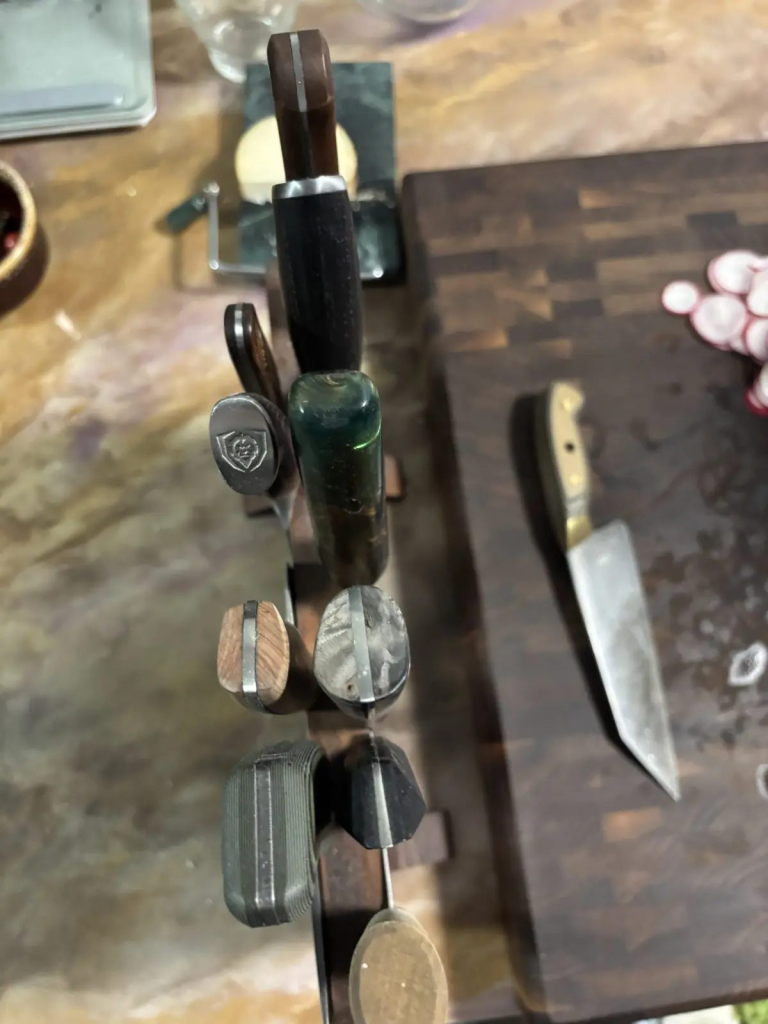
The chef’s knife is the backbone of almost every kitchen and the cornerstone of any serious knife guide.
Uses
Chopping vegetables, slicing meat, mincing herbs, crushing garlic—this is your all-purpose workhorse.
Pros
- Extremely versatile
- Long cutting edge for efficient slicing
- Curved blade allows rocking motion
Cons
- Can feel large to beginners
- Not ideal for very delicate work
If you’re buying your first “real” knife, start here. A well-made chef’s knife can handle 80–90% of kitchen tasks.
If you want a deeper breakdown, we cover this in our full guide to the chef’s knife.
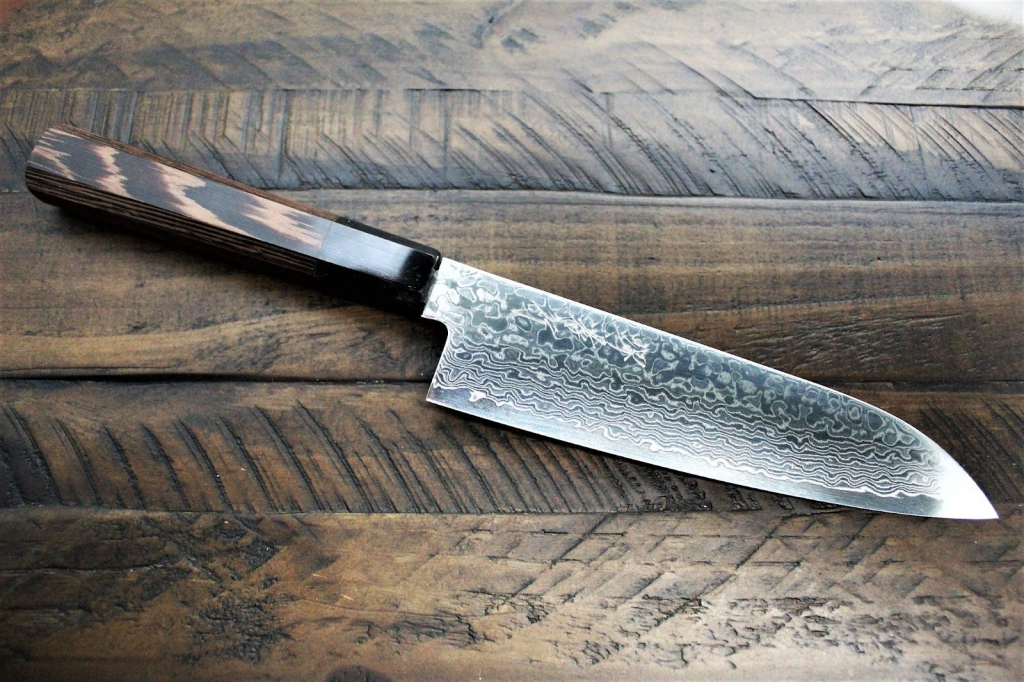
Santoku Knife
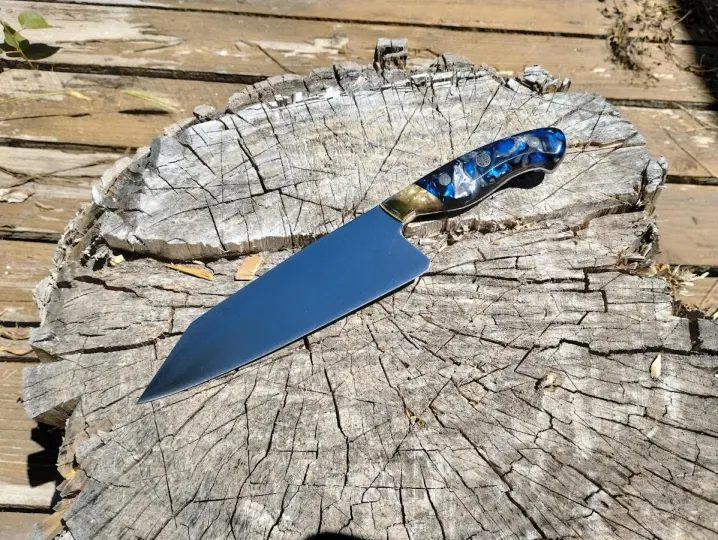
The santoku knife is a Japanese-style alternative to the chef’s knife and a popular knife variation for home cooks.
Uses
Slicing vegetables, cutting boneless meats, precision chopping.
Pros
- Flat blade encourages clean push cuts
- Shorter length feels approachable
- Excellent for vegetables
Cons
- Less effective rocking motion
- Shorter blade limits long slices
Santoku knives are especially appealing if a traditional chef’s knife feels unwieldy. They’re efficient, balanced, and satisfying to use.
Paring Knife
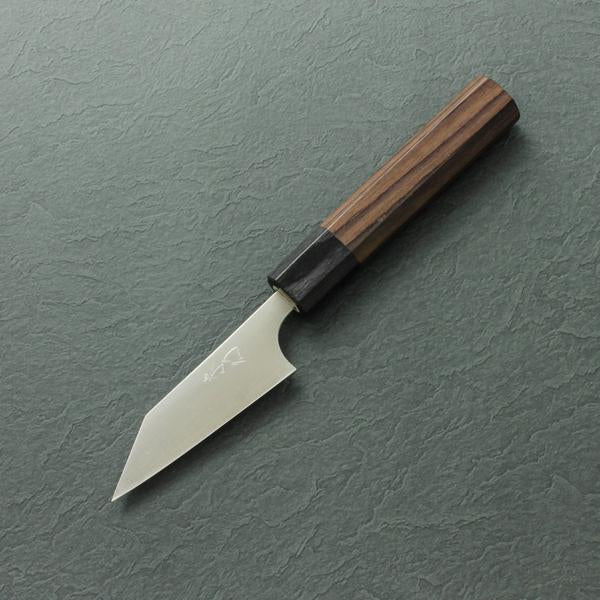
Small but mighty, the paring knife handles detail work where larger blades feel clumsy.
Uses
Peeling, trimming, coring, and small precise cuts.
Pros
- Excellent control
- Lightweight
- Ideal for hand-held tasks
Cons
- Too small for board work
- Limited versatility
Every knife set benefits from a good paring knife.
We explore this blade in more detail in our paring knife guide.
Utility Knife
A utility knife sits between a chef’s knife and a paring knife in size and purpose.
Uses
Slicing sandwiches, cutting small produce, light prep work.
Pros
- Manageable size
- Flexible use
- Great for quick tasks
Cons
- Overlaps with other knives
- Not essential for every kitchen
Many home cooks reach for a utility knife when they don’t want to pull out a larger blade.
Serrated Knife
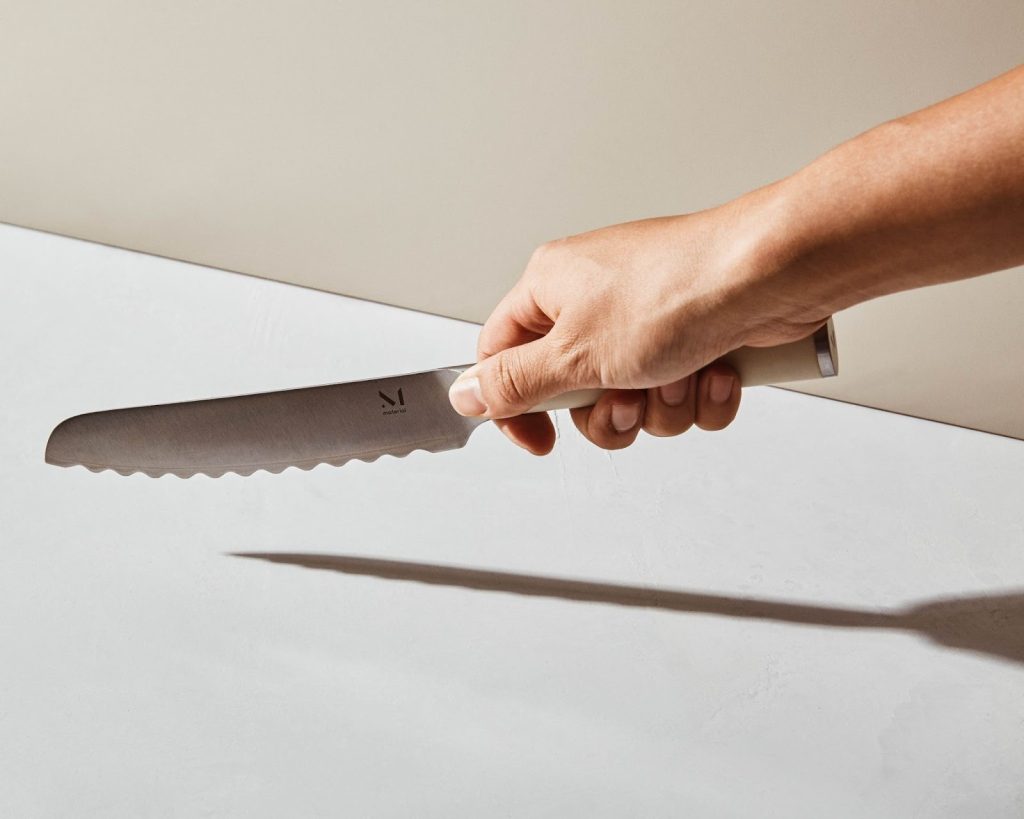
Recognizable by its saw-like serrated edge, this knife excels where smooth blades struggle.
Uses
Bread, tomatoes, citrus, soft foods with tough skins.
Pros
- Cuts without crushing
- Stays sharp longer
- Ideal for crusty bread
Cons
- Harder to sharpen
- Less precise cuts
A serrated knife is a quiet hero in the kitchen.
Learn more in our full article on the serrated knife.
Boning Knife
Designed for working close to bone, the boning knife is narrow and precise.
Uses
Separating meat from bone, trimming fat, breaking down poultry.
Pros
- Excellent control
- Thin, pointed tip
- Reduces waste
Cons
- Not beginner-friendly
- Limited general use
If you regularly prepare raw meat, a boning knife becomes invaluable.
Cleaver
Often misunderstood, the cleaver is more than a brute-force blade.
Uses
Breaking down large cuts, chopping vegetables, smashing garlic.
Pros
- Powerful cutting edge
- Wide blade doubles as scraper
- Surprisingly versatile
Cons
- Heavy
- Intimidating for beginners
Curious? We break it down fully in our guide to the cleaver.

Steak Knife
Steak knives are designed for the table, not the cutting board.
Uses
Cutting cooked meats during meals.
Pros
- Sharp pointed tips
- Clean cuts without tearing
Cons
- Not prep knives
- Often overlooked for quality
A good steak knife makes a noticeable difference at dinner.
Fillet Knife
Long, thin, and flexible, fillet knives are specialized tools.
Uses
Filleting fish, removing skin, delicate slicing.
Pros
- Extremely precise
- Flexible blade designed for fish
Cons
- Single-purpose
- Not needed unless you cook fish often
Curved Knife
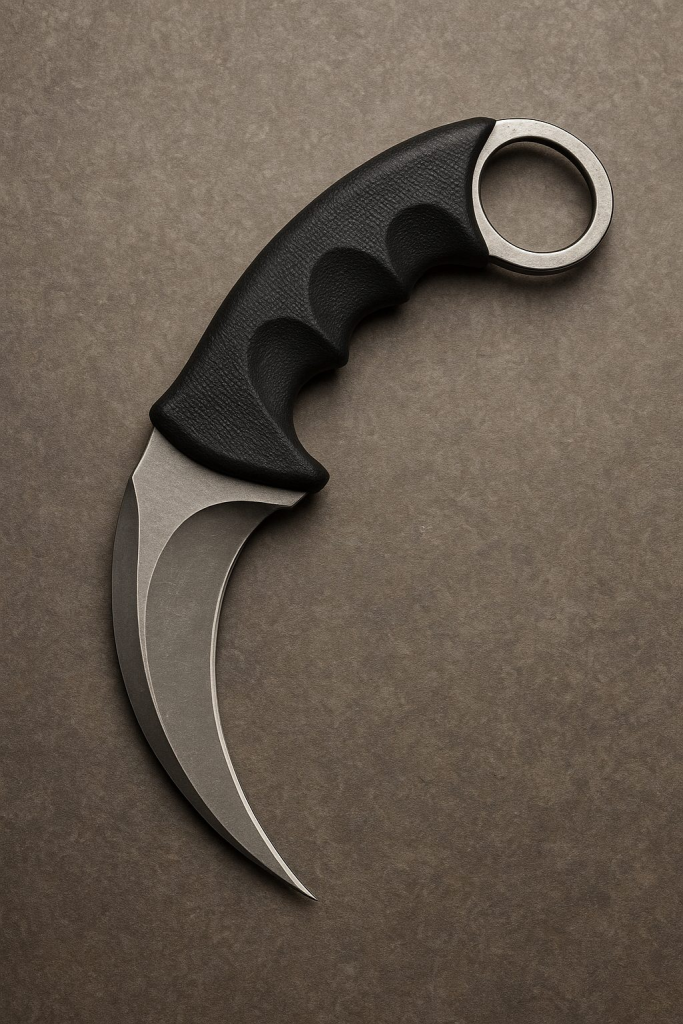
Curved knives are designed to follow natural shapes.
Uses
Peeling fruit, trimming rounded produce, specialized prep.
Pros
- Matches natural contours
- Reduces wrist strain
Cons
- Limited applications
We cover this unique blade in depth in our article on the curved knife.
Knife Sets vs. Individual Knives
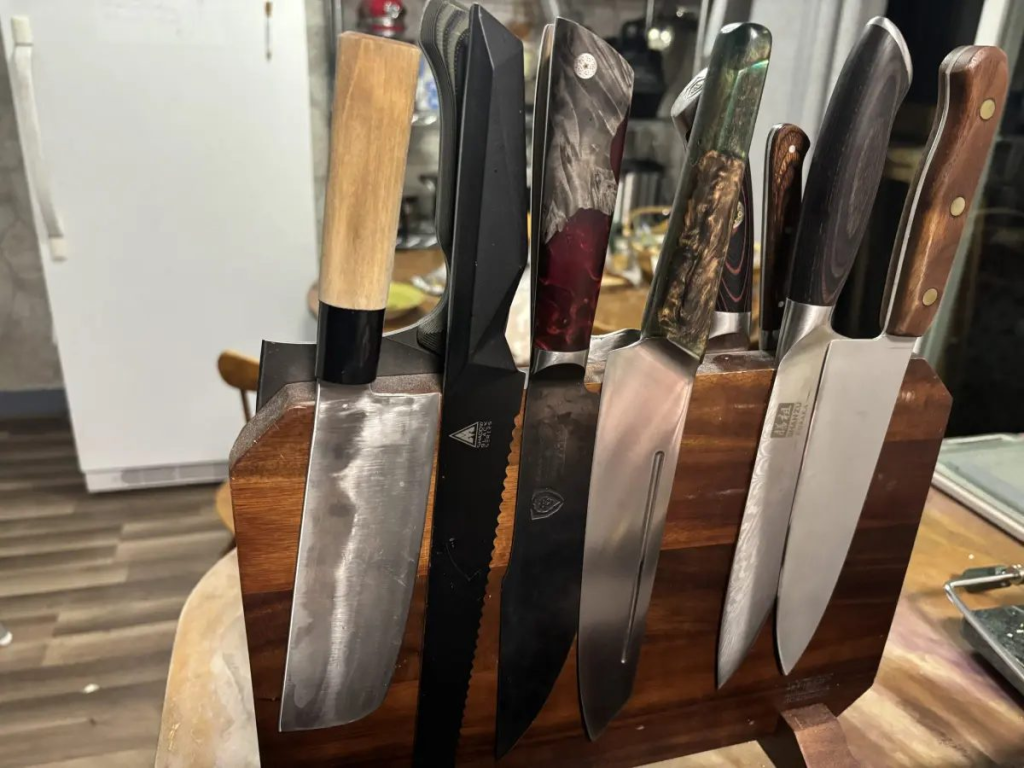
Knife sets promise convenience, but they often include knives you’ll rarely use.
Pros
- Matching aesthetic
- One-time purchase
Cons
- Redundant blades
- Quality often spread thin
Many home cooks are better served by building a small collection intentionally: a chef’s knife, paring knife, and serrated knife on a good cutting board can outperform a large knife block.
Non-Kitchen Knives (Briefly)
While this knife guide focuses on kitchen knives, it’s worth mentioning other categories.
Pocket Knives
Foldable, portable, utility-focused.
Folding Knives
Designed for convenience and compact storage.
Fixed Blade Knives
Stronger, more durable, often used outdoors.
These knives have their place—but they serve very different purposes than kitchen blades.
The Most Important Basics of Knife Care
No matter the knife variation, care matters.
- Use appropriate cutting surfaces (wood or rubber, not glass)
- Clean and dry knives promptly
- Store safely—magnetic strips, sheaths, or blocks
- Maintain the cutting edge with regular sharpening
A well-cared-for knife lasts longer, performs better, and stays safer.
Final Thoughts: You Don’t Need Every Knife—Just the Right One
The world of knives can feel overwhelming, but it doesn’t have to be. This knife guide isn’t about collecting everything. It’s about understanding what exists, why it exists, and what actually serves you.
Start with one good knife. Learn it. Use it well. From there, the rest becomes exploration—not pressure.
If you want to go deeper, we’ve written detailed guides on individual knives so you can explore each one on its own terms.
Check out our in-depth knife guides and find the blade that fits your kitchen best.
Chef’s Knives
Serrated Knives
Paring Knives
Curved Knives
Cleavers
Your knife journey starts here.