
If you’ve ever seen a big, rectangular bladed knife and wondered whether it’s overkill or secretly amazing, you’re not alone. So—what is a cleaver, really?
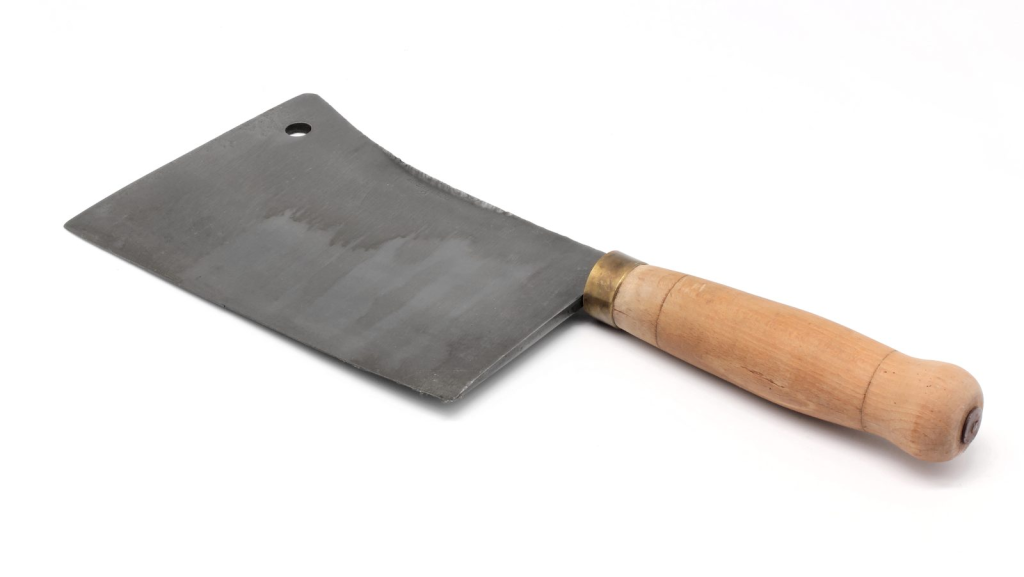
A cleaver is a large, powerful knife designed to handle tasks that smaller knives struggle with. Traditionally associated with large cuts of meat, cleavers are also surprisingly versatile. Depending on the style, a cleaver knife can chop vegetables, perform thin slicing, crush garlic, and even act as a bench scraper. It’s bold. It’s practical. And yes—meat cleavers are pretty coolio, yo.
A Brief History of Cleavers
Cleavers have been around for centuries, long before modern chef’s knives became the default kitchen tool. Early cleavers were built for efficiency: breaking down animals, cutting through bones, and processing food quickly with minimal tools.
Over time, cleavers evolved into different regional styles. Western kitchens leaned toward heavier butcher’s cleavers for meat processing, while East Asian cuisines refined lighter, more versatile versions like the Chinese cleaver, which excels at vegetable prep as well as meat. Today, cleavers sit at the crossroads of tradition and utility—less common than chef’s knives, but deeply respected.
What Is a Meat Cleaver Used For?
A meat cleaver is purpose-built for power. Its weight and thick spine allow it to split joints, portion large cuts, and handle tough tasks safely and efficiently.
Common uses include:
- Cutting through bones
- Portioning large pieces of meat
- Breaking down poultry
- Working with dense vegetables like squash
Unlike chef’s knives, which prioritize agility, cleavers rely on momentum. You let the knife do the work.
Main Benefits of Using a Cleaver
Cleavers look intimidating, but they offer some unique advantages.
- Power: Ideal for large cuts and tough materials
- Flat side utility: The side of the blade is perfect for crushing garlic or transferring ingredients
- Stability: The wide blade keeps knuckles clear of the cutting board
- Versatility (depending on type): Some cleavers can replace multiple knives
They’re not for everyone—but for the right cook, they’re incredibly satisfying.

The 5 Main Types of Cleavers
Not all cleavers are created equal. Here are the most important types of cleavers, with their pros, cons, and best uses.
1. Meat Cleaver (Butcher’s Cleaver)
This is the classic image people think of when asking what is a butcher’s cleaver.
Pros
- Thick, heavy blade
- Excellent for cutting through bones
- Durable and tough
Cons
- Poor for delicate tasks
- Heavy for extended use
Best for: Butchery, large cuts, and serious meat work.
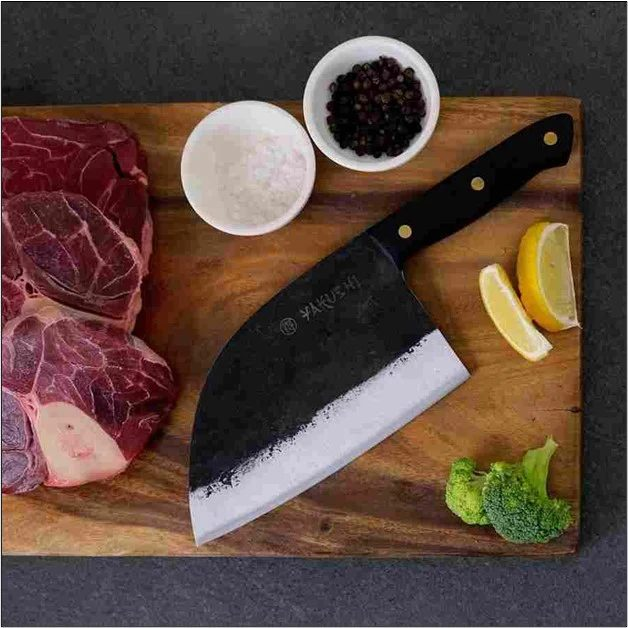
2. Chinese Cleaver
Despite the name, this isn’t just for meat.
Pros
- Thin blade for slicing and chopping
- Excellent balance
- Extremely versatile
Cons
- Not designed for heavy bone cutting
Best for: Vegetables, thin slicing, mincing garlic, and all-purpose prep.
This cleaver often overlaps with chef’s knives in functionality—sometimes replacing them entirely.
3. Vegetable Cleaver
A lighter, thinner cleaver designed specifically for produce.
Pros
- Precise and fast
- Great for large vegetables
- Easy to control
Cons
- Not suitable for bones
Best for: High-volume vegetable prep.
4. Western-Style Cleaver
This is a broader category that blends butcher and kitchen use.
Pros
- Versatile design
- Often made from stainless steel
- Familiar feel for Western kitchens
Cons
- Can be a compromise between power and finesse
Best for: Home cooks who want cleaver benefits without specialization.
5. Mini or Lightweight Cleaver
A scaled-down version for everyday use.
Pros
- Less intimidating
- Easier handling
- Good entry point
Cons
- Limited power
Best for: Home cooks curious about cleavers but not ready for full size.
Cleaver vs. Chef’s Knife
A common question is whether a cleaver can replace a chef’s knife.
In short: sometimes.
Chef’s knives excel at finesse, rocking motions, and long slicing strokes. Cleavers shine when working with large pieces, straight cuts, and heavier tasks. Many cooks keep both. If you’re deciding between them, our full guide on the chef’s knife explains where each one wins.
For broader context, the comprehensive knife guide breaks down how all these tools fit together.
How to Care for Your Cleaver
Cleavers are tough, but they still need care.
- Use wood or rubber cutting boards
- Avoid twisting the blade in hard materials
- Clean and dry immediately after use
- Store securely due to the wide blade
Even a heavy cleaver benefits from proper sharpening and maintenance.
Is a Cleaver Right for You?
If you regularly work with cuts of meat, large vegetables, or want a knife that feels powerful and deliberate, a cleaver might be a perfect fit. It’s not a replacement for every knife—but it doesn’t try to be.
Cleavers are honest tools. They do what they’re designed to do, and they do it well.
Final Thoughts
So—what is a cleaver? It’s a bold, rectangular, purpose-driven knife that’s been earning its place in kitchens for centuries. Whether you choose a meat cleaver, a Chinese cleaver, or a lighter Western style, the right cleaver can completely change how you approach prep work.
Curious to explore further?
Check out these other knives and see which one fits your kitchen style best.
Big blade. Big energy.