
Choosing the best steel for knives is one of the most important decisions a knife maker—or knife owner—can make. The steel determines how long a blade stays sharp, how easily it sharpens, how well it resists corrosion, and how it performs under real use.
Walk into any knife shop or browse online, and you’ll see steel names like S30V, MagnaCut, AEB-L, and 52100. Each promises something different. Some steels hold an edge for months of hard use. Others sharpen in seconds but need frequent maintenance. Some resist rust in saltwater environments, while others develop a beautiful patina but require careful care.
If you’ve searched for “best steel for knives,” you’ve probably already discovered the problem: there is no single perfect steel for every knife.
The best knife steel depends on how the knife will be used, how much maintenance you’re willing to do, and whether you prioritize toughness, edge retention, corrosion resistance, or ease of sharpening. A chef needs different steel properties than a backpacker. A collector values different traits than someone who processes firewood daily.
This guide breaks it all down clearly—without hype, without metallurgy overload, and with real-world insight from a professional knife maker and sharpener. Whether you’re buying your first quality knife or your fiftieth, you’ll learn exactly which steels excel at what, and why.
Best Steel for Knives (Quick Answer)
If you want the short version, here it is:
- Best overall knife steel: CPM MagnaCut
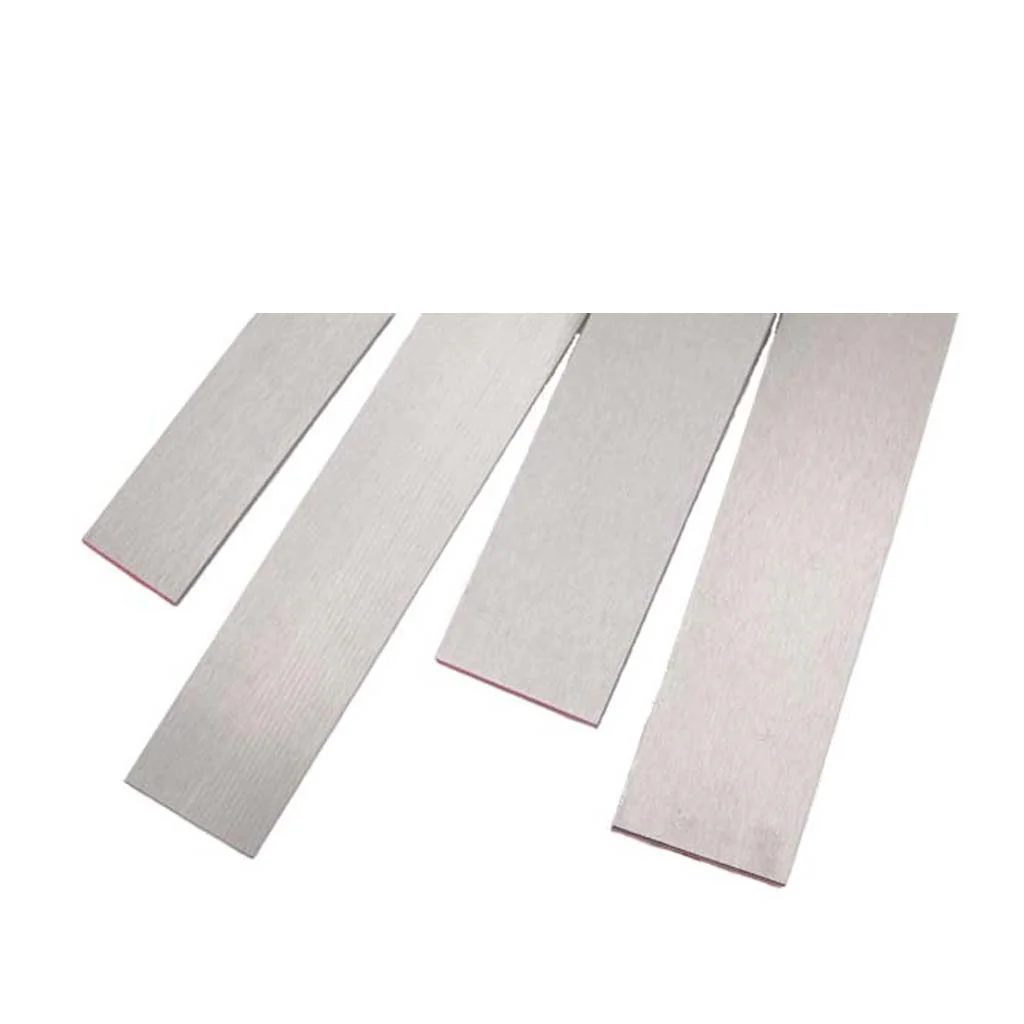
- Best value knife steel: AEB-L
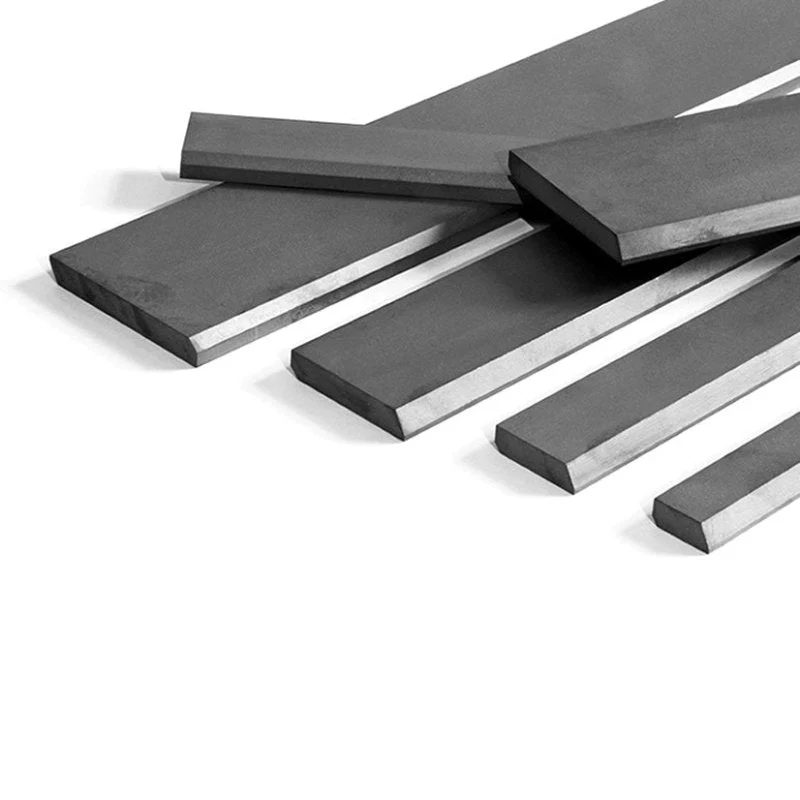
- Best beginner-friendly steel: 14C28N
- Best edge retention: CPM 20CV / M390
- Best toughness: CPM 3V
- Best carbon steel: 52100
- Best premium aesthetic steel: Mosaic Damascus
Each of these steels excels in specific scenarios. MagnaCut offers the most balanced performance across all categories, making it ideal for users who want one knife that does everything well. AEB-L provides exceptional value and performance for everyday tasks without the premium price tag. For those just starting their knife journey, 14C28N delivers consistent results without the learning curve of more complex steels.
Below, we’ll explain why each steel earned its ranking—and help you choose the right steel for your specific needs.
How We Define “Best Knife Steel”
There is no universal “best,” so we evaluate knife steels across four core performance traits:
- Edge Retention – How long the blade stays sharp under consistent use
- Toughness – Resistance to chipping, rolling, or breaking under stress
- Corrosion Resistance – How well it resists rust and staining
- Ease of Sharpening – How practical it is to maintain and restore the edge
These four traits exist in constant tension. A steel that excels at edge retention typically contains hard carbides that make sharpening more difficult. A steel optimized for toughness may sacrifice some wear resistance. Understanding these trade-offs is essential to selecting the right steel.
Knife steel testing data (such as CATRA edge retention testing and Charpy impact toughness testing published by Knife Steel Nerds) provides valuable quantitative measures. However, performance on paper only matters if it translates to real knives, real edges, and real users. Lab conditions don’t account for variables like heat treatment quality, blade geometry, or how the knife will actually be used.
This guide balances scientific testing data with decades of maker experience and thousands of hours at the sharpening bench.
Understanding Knife Steel Basics
Before diving into specific steel recommendations, it helps to understand what makes one steel different from another. All knife steels are iron-based alloys mixed with carbon and other elements. The specific recipe and manufacturing process determine the steel’s performance characteristics.
Carbon Content
Carbon is the most important element in knife steel. Higher carbon content allows the steel to achieve greater hardness, which translates to better edge retention. Most quality knife steels contain between 0.6% and 1.5% carbon. Below 0.6%, the steel struggles to hold an edge. Above 2%, the steel becomes too brittle for most knife applications.
Chromium for Stainless Performance
Chromium provides corrosion resistance. Steels with at least 10.5% chromium are generally considered “stainless,” though this is a spectrum rather than a binary classification. Higher chromium content improves rust resistance but can reduce toughness if not balanced with other elements.
Carbide Formation
Elements like chromium, vanadium, molybdenum, and tungsten form carbides—hard crystalline structures within the steel. These carbides resist wear and provide edge retention. However, larger or more abundant carbides can make sharpening more difficult and potentially reduce toughness if not properly refined.
Best Knife Steel by Use Case
The right steel choice depends heavily on intended use. Here’s how to match steel properties to common knife applications:
Best Steel for EDC Knives
Everyday carry knives need to be versatile. They’ll cut cardboard, food, rope, and dozens of other materials throughout the day. Balance is key—you want decent edge retention without sacrificing toughness, and enough corrosion resistance to handle daily pocket carry.
Top picks:
- MagnaCut – Exceptional balance of toughness, corrosion resistance, and edge life. This is the modern gold standard for EDC. It offers performance that would have been impossible a decade ago—near-stainless corrosion resistance combined with toughness rivaling dedicated tool steels.
- S35VN – Proven, reliable, and widely available across many knife brands. While newer steels have surpassed it in raw performance, S35VN remains an excellent choice with a long track record of real-world success.
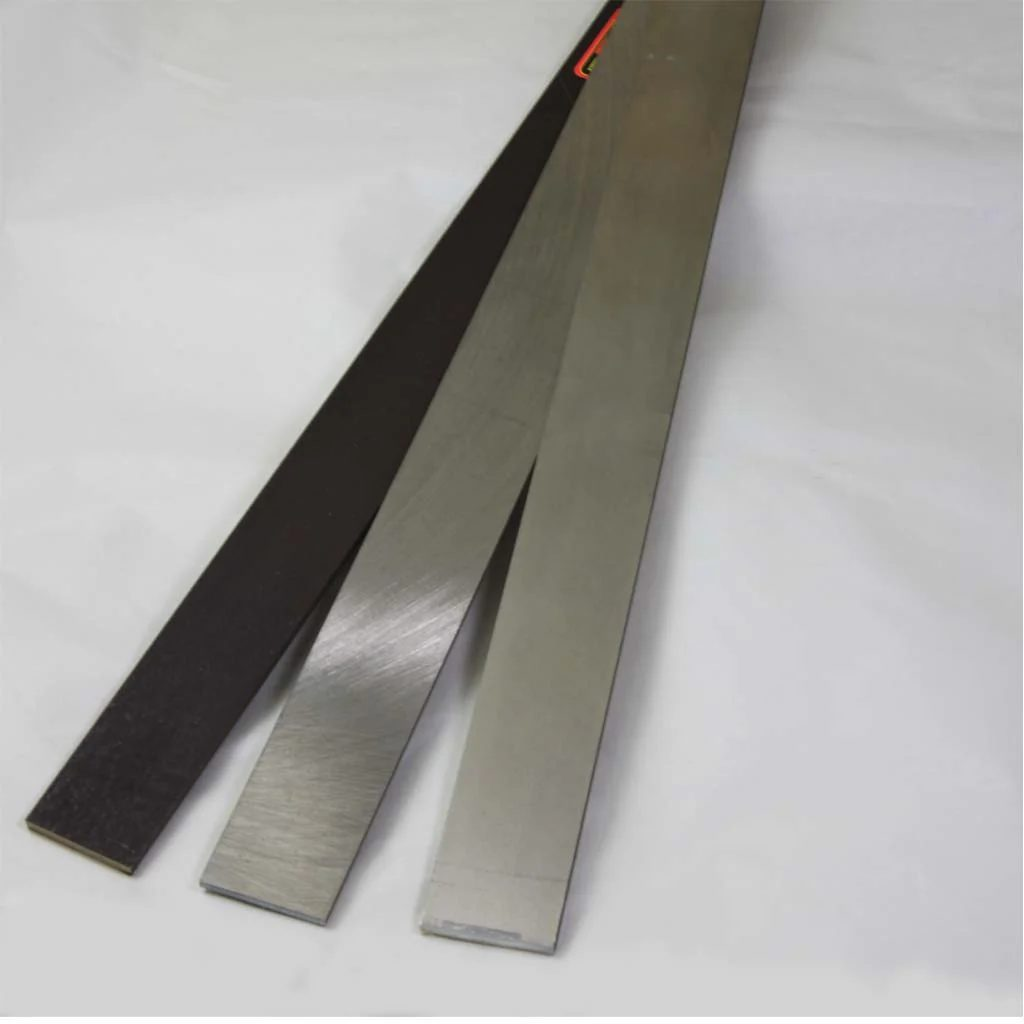
- AEB-L – Easy to sharpen and very tough in thin edges. Perfect for users who prefer lighter-weight EDC knives with thin blade geometry. Sharpens quickly with basic stones.
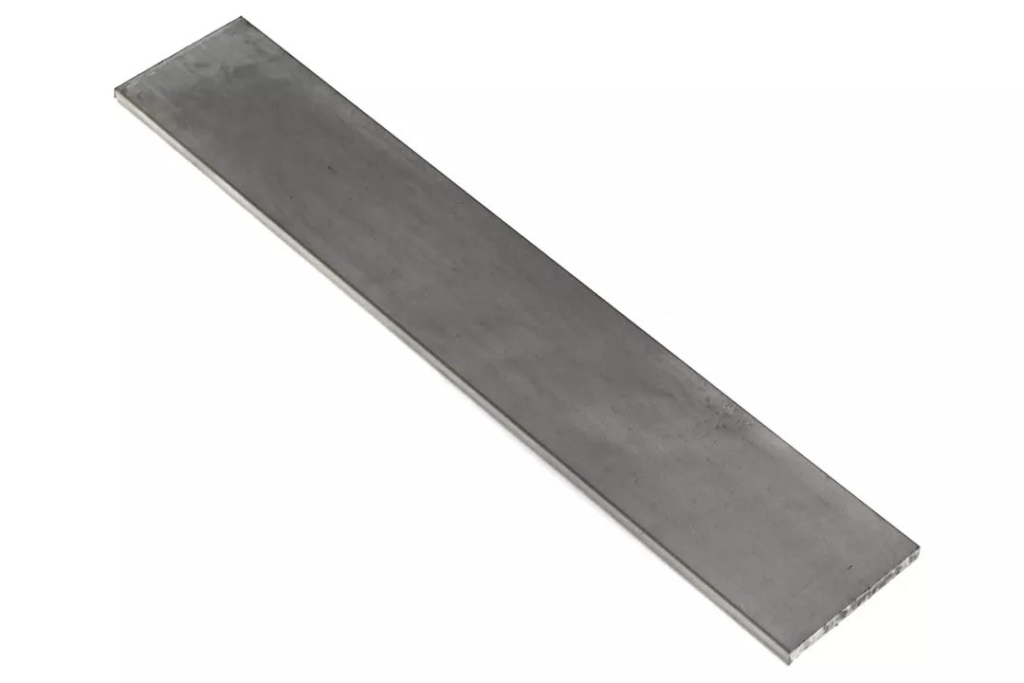
For EDC use, avoid extremely hard-to-sharpen steels unless you have professional sharpening equipment readily available. You’ll appreciate the convenience of a steel that touches up easily when the edge dulls mid-task.
Best Steel for Kitchen Knives
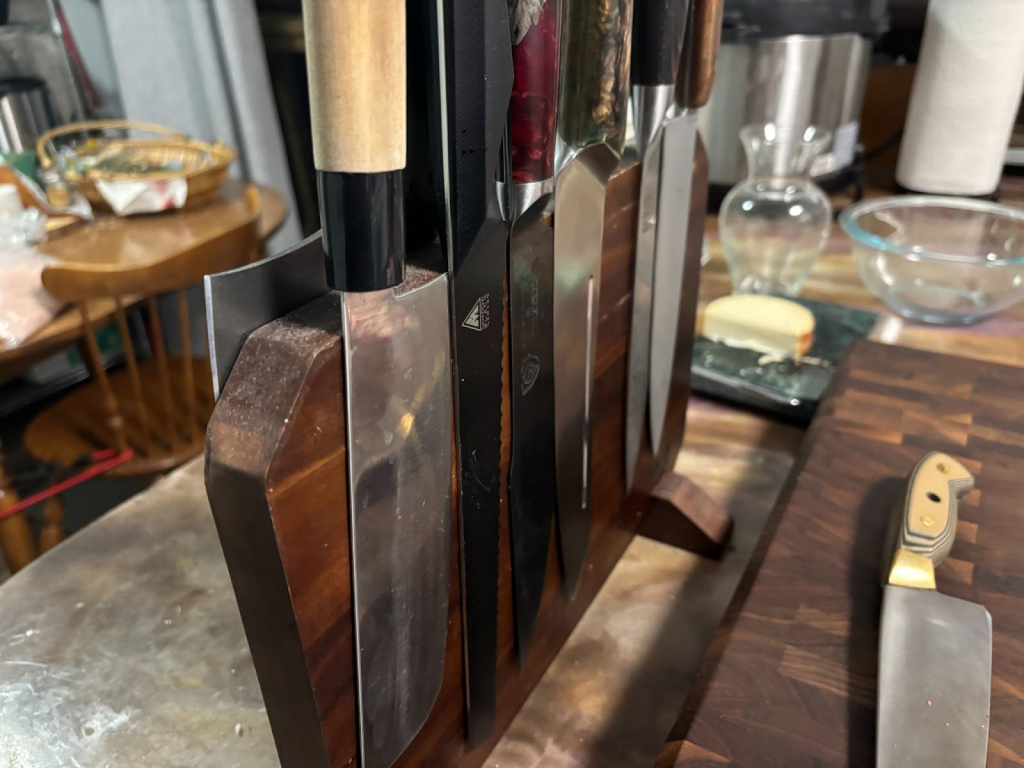
Kitchen knives prioritize fine edges, toughness, and sharpening ease. Unlike pocket knives, kitchen blades are used in controlled environments with cutting boards, making extreme toughness less critical. However, they need to maintain hair-splitting sharpness and sharpen easily since professional cooks may touch up edges daily.
Top picks:
- AEB-L – Outstanding fine-grain structure and edge stability. This Swedish stainless steel was originally developed for razor blades, giving it an extremely refined grain structure that takes and holds exceptionally keen edges. It’s tough enough to handle the lateral forces of cutting technique while sharpening easily on basic whetstones.
- 52100 – Incredible cutting feel with proper care. This carbon steel offers edge performance that many professionals consider unmatched. The fine carbide structure creates edges that glide through food with minimal resistance. It does require maintenance to prevent rust, but many chefs consider the performance worth the extra care.
- 14C28N – Stainless, forgiving, and very consistent. Swedish-made Sandvik 14C28N performs beautifully in kitchen environments. It resists staining from acidic foods, sharpens predictably, and costs significantly less than premium options.
Kitchen knife users should prioritize ease of sharpening and fine edge capability over maximum wear resistance. A knife you can sharpen in two minutes will serve you better than one that holds an edge for months but requires professional equipment to restore.
Best Steel for Outdoor & Hunting Knives
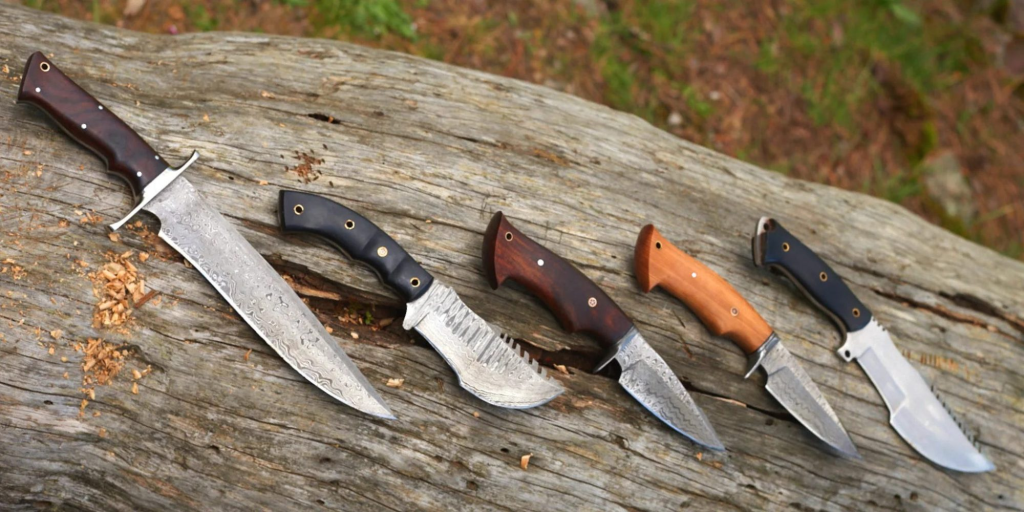
Outdoor knives demand toughness and corrosion resistance above all else. These knives face unpredictable use—processing game, cutting rope, prying, battening—often in wet or humid conditions. Edge retention is valuable, but not at the expense of reliability.
Top picks:
- MagnaCut – The modern benchmark for outdoor knives. It combines near-stainless corrosion resistance with extreme toughness and excellent edge retention. You can leave it in your pack without worry, use it hard, and trust it will perform.
- CPM 3V – Extreme toughness for hard use. This is the choice for serious outdoor users who will abuse their knives. It resists chipping even under severe lateral loads and impact. The trade-off is less corrosion resistance and more difficult sharpening, but for dedicated outdoor knives that get maintained regularly, 3V is hard to beat.
- S30V / S35VN – Durable and corrosion resistant with a proven track record. These Crucible Particle Metallurgy steels have been the workhorses of outdoor knives for years. They offer a sweet spot of toughness, corrosion resistance, and edge holding that works for most outdoor tasks.
For outdoor use, prioritize toughness over edge retention. A slightly duller blade that keeps working is infinitely better than a chipped blade in the backcountry. Corrosion resistance is similarly critical—you may not have time or ability to carefully dry and oil your knife after every use.
Best Steel for Beginners
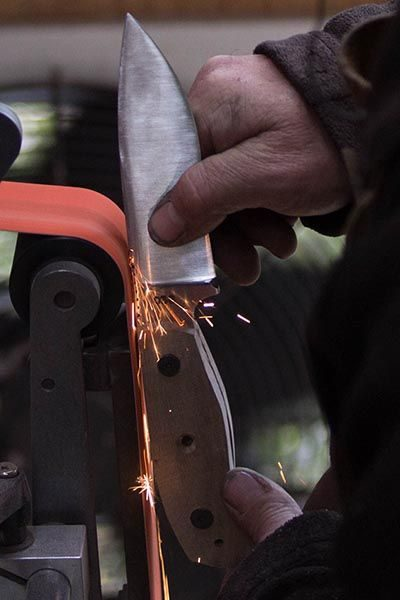
If you’re new to knife ownership or knife making, beginner-friendly steels should be forgiving, affordable, and predictable. You want a steel that performs well without requiring perfect heat treatment, advanced sharpening skills, or obsessive maintenance.
Top picks:
- 14C28N – Affordable, stainless, and very consistent. This is perhaps the ideal learning steel. It sharpens easily with basic equipment, resists corrosion, and performs predictably.
- AEB-L – Forgiving in heat treatment and sharpening. For knife makers, AEB-L is relatively easy to heat treat properly. For users, it responds well to all sharpening methods.
- 154CM – A classic stainless steel with decades of proven performance. It’s available in many production knives and offers good all-around performance at reasonable prices.
Beginners should avoid ultra-premium steels initially. Master the basics with forgiving steels before investing in knives that require specialized care or sharpening equipment.
Best Knife Steels (Detailed Breakdown)
Now let’s examine each top steel recommendation in detail, covering what makes it special and who should choose it.
CPM MagnaCut — Best Overall Knife Steel
Designed specifically for knives by metallurgist Dr. Larrin Thomas, MagnaCut delivers an unprecedented balance of toughness, corrosion resistance, and edge retention. It represents a genuine breakthrough in knife steel technology—not just incremental improvement, but a fundamental advancement in what’s possible.
Why it stands out:
- High toughness comparable to CPM 3V – MagnaCut achieves toughness levels previously only seen in dedicated tool steels, making it resistant to chipping even under hard use.
- Near-stainless corrosion resistance – With 10.7% chromium and a refined carbide structure, MagnaCut resists corrosion almost as well as traditional stainless steels while maintaining superior toughness.
- Better sharpening behavior than most super steels – Despite excellent wear resistance, MagnaCut sharpens more easily than steels like M390 or 20CV because of its optimized carbide size and distribution.
- Versatile heat treat window – Performs well across a range of hardness levels, giving knife makers flexibility in optimizing for specific applications.
Performance characteristics:
- Typical hardness: 62-64 HRC
- Edge retention: Excellent (comparable to M390)
- Toughness: Excellent (comparable to 3V at similar hardness)
- Corrosion resistance: Very good (near-stainless performance)
- Ease of sharpening: Good (easier than most steels with similar wear resistance)
Ideal for: EDC, outdoor knives, hunting knives, and premium production blades. If you can only own one knife steel, make it MagnaCut.
AEB-L — Best Value Knife Steel
AEB-L is one of the most well-rounded and forgiving steels available. Originally developed in Sweden for razor blades, it has found a devoted following among custom knife makers and discerning users who prioritize real-world performance over spec sheet numbers.
Pros:
- Extremely fine grain – AEB-L’s refined microstructure allows it to take exceptionally keen edges. This is why it was chosen for razor blades—it can achieve and maintain hair-splitting sharpness.
- Excellent toughness – Despite being a relatively simple steel, AEB-L demonstrates impressive toughness, especially in thinner blade geometries. It’s resistant to edge rolling and microchipping.
- Easy heat treat and sharpening – For makers, AEB-L is forgiving in heat treatment with a wide hardness window. For users, it sharpens quickly with basic stones and responds well to stropping.
- Consistent results – AEB-L performs predictably across different heat treaters and hardness levels, making it reliable regardless of who made your knife.
- Affordable – As a commodity steel, AEB-L costs significantly less than premium powdered metallurgy steels, making quality knives more accessible.
Cons:
- Lower wear resistance than high-alloy steels – AEB-L will dull faster than steels like M390 or 20CV in heavy use. However, it’s so easy to sharpen that this trade-off favors AEB-L for many users.
Performance characteristics:
- Typical hardness: 60-62 HRC
- Edge retention: Good (adequate for most tasks, sharpens quickly when needed)
- Toughness: Excellent (particularly in thin geometries)
- Corrosion resistance: Good (stainless performance)
- Ease of sharpening: Excellent (one of the easiest stainless steels to sharpen)
Ideal for: Kitchen knives, EDC, and general-purpose blades where sharpening ease and edge refinement matter more than maximum wear resistance.
JS Sharpening & Bladeworks uses AEB-L extensively due to its real-world performance and reliability. It consistently delivers excellent results without the headaches sometimes associated with more exotic steels.
14C28N — Best Beginner-Friendly Steel
Engineered by Sandvik specifically for knives, 14C28N offers stainless performance without the hassles that complicate more advanced steels. It’s the steel we recommend when someone asks “what should my first quality knife be made of?”
Pros:
- Very corrosion resistant – With 14% chromium, this steel resists rust and staining even in humid environments or when cutting acidic foods.
- Easy to heat treat – For knife makers, 14C28N is forgiving and consistent. It doesn’t require precision atmosphere control or complex heat treatment cycles to achieve good results.
- Predictable sharpening – Sharpens easily and responds consistently to all common sharpening methods. Beginners can achieve good results without advanced technique.
- Good toughness – Offers reasonable chip resistance for typical use. It won’t fail you in normal EDC or kitchen tasks.
- Widely available – Used by many production knife companies, making it easy to find quality knives at reasonable prices.
Performance characteristics:
- Typical hardness: 58-60 HRC
- Edge retention: Good (better than typical budget steels)
- Toughness: Good (adequate for typical use)
- Corrosion resistance: Very good (true stainless performance)
- Ease of sharpening: Excellent (very user-friendly)
Ideal for: Beginners, production runs, kitchen knives, and anyone seeking low-maintenance performance.
CPM 20CV / M390 — Best Edge Retention
When maximum edge retention is the priority, CPM 20CV (the American version) and M390 (the Bohler-Uddeholm version) stand at the top. These high-alloy stainless steels pack an impressive carbide volume that resists wear better than nearly any other stainless option.
Pros:
- Exceptional wear resistance – The high vanadium and chromium content creates abundant hard carbides that resist abrasive wear exceptionally well. Expect edges to last 2-3 times longer than conventional stainless steels.
- Excellent corrosion resistance – High chromium content provides reliable stainless performance even in challenging environments.
- High attainable hardness – Can be hardened to 60-62 HRC while maintaining reasonable toughness due to the powder metallurgy production process.
Cons:
- Difficult sharpening – The same carbides that provide wear resistance make sharpening slow and labor-intensive. Diamond or CBN stones recommended for efficient sharpening.
- Less forgiving toughness – While not brittle, these steels are more prone to chipping than tougher options like MagnaCut or 3V, especially if hardened too high or ground too thin behind the edge.
- Premium pricing – As powder metallurgy steels, they cost significantly more than conventional options.
Performance characteristics:
- Typical hardness: 60-62 HRC
- Edge retention: Exceptional (among the best available)
- Toughness: Moderate (adequate for most uses, but not for abuse)
- Corrosion resistance: Excellent (true stainless performance)
- Ease of sharpening: Difficult (requires patience and proper equipment)
Ideal for: Users who prioritize edge life over sharpening ease. Perfect for those who have proper sharpening equipment or access to professional sharpening services.
CPM 3V — Toughness King
If your knife will be abused—batoned, pried, torqued, or subjected to impact—CPM 3V excels. This is the steel for knives that must work when failure isn’t an option.
Pros:
- Industry-leading toughness – CPM 3V consistently scores at the top of Charpy impact testing. It resists chipping, rolling, and catastrophic failure better than virtually any other knife steel.
- Resistant to chipping – Even in thin edge geometries or under severe lateral loads, 3V maintains integrity where other steels would chip.
- Good wear resistance – While not as high as the super steels, 3V offers respectable edge retention, especially considering its extreme toughness.
- Proven track record – Used extensively in professional and military applications where knife failure has serious consequences.
Cons:
- Not stainless – With only 7.5% chromium, 3V will rust if neglected. Requires regular maintenance and proper storage.
- Hard to sharpen – The high vanadium content creates hard carbides that resist abrasion, making sharpening time-consuming. Diamond stones recommended.
- Can develop patina or rust – The low chromium means the steel reacts with moisture and acidic materials. Some users appreciate the patina; others find it problematic.
Performance characteristics:
- Typical hardness: 58-60 HRC
- Edge retention: Good (not exceptional, but adequate)
- Toughness: Exceptional (industry-leading)
- Corrosion resistance: Poor (requires maintenance)
- Ease of sharpening: Difficult (slow going, but achievable)
Ideal for: Hard-use outdoor knives, survival knives, choppers, and applications where knife failure could have serious consequences.
52100 | Best Carbon Steel
A legendary carbon steel with incredible cutting performance, 52100 is beloved by knife makers and users who prioritize cutting feel above convenience. Originally developed for ball bearings, it has found a devoted following in the knife world.
Pros:
- Excellent edge stability – 52100 produces edges that feel “sticky” when cutting—they bite into material rather than skating or deflecting. Many experienced users consider it to have the best cutting feel of any steel.
- Fine carbides – The simple carbide structure allows for extremely refined edges that can achieve and maintain hair-splitting sharpness.
- Superb sharpening feel – Sharpens quickly and provides excellent feedback on stones. You can feel the edge developing, making it ideal for learning proper sharpening technique.
- Good toughness – Balances edge retention with reasonable toughness. It won’t chip as easily as high-wear-resistance steels.
- Takes high polish – Capable of achieving mirror polishes that many stainless steels cannot match.
Cons:
- Reactive – Will rust quickly if neglected. Not suitable for saltwater environments or users who can’t maintain their knives regularly.
- Requires maintenance – Needs to be cleaned, dried, and oiled after use. Acidic foods will stain it. Some users love the patina development; others find it problematic.
- Not for forgetful owners – If you leave 52100 wet or dirty, you’ll find rust. This steel demands respect and care.
Performance characteristics:
- Typical hardness: 60-62 HRC
- Edge retention: Good (better than simple carbon steels)
- Toughness: Very good (excellent for a high-hardness steel)
- Corrosion resistance: Poor (will rust without care)
- Ease of sharpening: Excellent (one of the easiest quality steels to sharpen)
Ideal for: Kitchen knives, hunting knives, thin geometry blades, and users who appreciate traditional carbon steel characteristics and are willing to provide proper care.
Another house steel at JS Sharpening & Bladeworks due to its predictable heat treat and cutting performance. We consistently choose 52100 for projects where cutting performance is the top priority.
S30V / S35VN — Proven Workhorses
These steels set the modern standard for production knives and continue to serve millions of knife users reliably. While newer steels have surpassed them in raw performance, S30V and S35VN remain excellent choices with proven real-world track records.
Pros:
- Good corrosion resistance – Reliable stainless performance across varied environments.
- Balanced performance – No single standout trait, but solid performance across all categories. This balance makes them versatile.
- Widely available – Used by virtually every major knife manufacturer, making these steels easy to find and purchase.
- Well-understood – Heat treaters know how to optimize these steels, and users know what to expect. Consistency matters.
- Reasonable price – More affordable than premium powder metallurgy steels while still offering good performance.
Cons:
- Outpaced by newer steels like MagnaCut – Technology has advanced. While S30V/S35VN remain good, they’re no longer at the cutting edge of performance.
- Moderate sharpening difficulty – Not as difficult as super steels, but notably harder than AEB-L or 14C28N.
Performance characteristics:
- Typical hardness: 58-61 HRC
- Edge retention: Good to very good
- Toughness: Good (S35VN slightly better than S30V)
- Corrosion resistance: Good (reliable stainless performance)
- Ease of sharpening: Moderate (manageable with proper stones)
Ideal for: EDC and outdoor knives, especially for users who want proven performance at reasonable prices.
CPM 154 / 154CM — Reliable Classic
An affordable, stainless steel that’s easy to work with for makers and reliable for users. While not cutting-edge technology, 154CM has served knife users well for decades and continues to be a sensible choice for many applications.
Performance characteristics:
- Typical hardness: 58-61 HRC
- Edge retention: Good (adequate for most tasks)
- Toughness: Good (balanced with hardness)
- Corrosion resistance: Good (true stainless)
- Ease of sharpening: Moderate (reasonable with proper stones)
Ideal for: EDC, kitchen knives, and production blades where cost is a consideration.
Mosaic Damascus — Best High-End Aesthetic Steel
Chosen primarily for beauty rather than raw performance, mosaic Damascus represents the pinnacle of bladesmithing artistry. These steels are created by forge-welding multiple steel types into complex patterns, then manipulating and layering them to create stunning visual effects.
What makes it special:
- Unique patterns – Each blade is one-of-a-kind, with patterns ranging from simple twisted designs to incredibly complex mosaics requiring hundreds of hours to create.
- Artistic value – Damascus elevates a knife from tool to art piece. Collectors prize these blades for their visual impact.
- Tradition and craft – Damascus steel connects modern knife making to ancient bladesmithing traditions, representing the pinnacle of the craft.
- Status and prestige – A high-quality Damascus blade signals serious investment and appreciation for knife making as an art form.
Performance considerations:
Damascus performance varies widely depending on the steels used and the maker’s skill. Some Damascus blades perform exceptionally well; others prioritize pattern over performance. The edge retention, toughness, and corrosion resistance depend entirely on the specific steels in the billet and how they’re heat treated.
Ideal for: Collector knives, luxury commissions, display pieces, and users who value aesthetics as much as performance.
What Is the Best Steel for Knives?
After examining all these options, here’s our final recommendation based on your priorities:
- Best overall: MagnaCut – For users who want the best balanced performance available today
- Best value: AEB-L – For those seeking excellent performance without premium pricing
- Best toughness: CPM 3V – For hard-use applications where failure isn’t acceptable
- Best edge retention: CPM 20CV / M390 – For users willing to invest time in sharpening to maximize edge life
- Best carbon steel: 52100 – For those who prioritize cutting feel and are willing to maintain their knives
- Best beginner steel: 14C28N – For new knife owners or makers seeking predictable, forgiving performance
Common Knife Steel Myths Debunked
Before we wrap up, let’s address some common misconceptions about knife steels:
Myth: Harder is always better
Reality: Hardness (measured in HRC) is just one factor. A steel hardened to 64 HRC might hold an edge longer, but it will also chip more easily and be harder to sharpen. The optimal hardness depends on the specific steel and intended use. Many professional users prefer slightly lower hardness for better toughness and easier maintenance.
Myth: Damascus is automatically superior
Reality: Damascus is primarily aesthetic. Its performance depends entirely on the steels used and the heat treatment quality. A well-made Damascus blade can perform excellently, but it’s not inherently better than a mono-steel blade.
Myth: Stainless steels can’t rust
Reality: “Stainless” means resistant to staining and rust—not immune. All stainless steels will eventually corrode if neglected long enough, especially in harsh environments. Proper care extends blade life regardless of steel type.
Myth: More expensive steel means a better knife
Reality: Premium steels offer performance advantages, but only if properly heat treated and ground. A well-made knife in AEB-L will outperform a poorly made knife in MagnaCut. The maker’s skill, heat treatment, and geometry matter as much as steel choice.
Heat Treatment: The Critical Factor
Even the best steel will underperform if improperly heat treated. Heat treatment determines the steel’s final hardness, toughness, and wear resistance. A perfectly executed heat treat on a “mid-tier” steel will outperform a poor heat treat on a premium steel every time.
Professional heat treaters use precisely controlled furnaces, cryogenic treatment, and multiple tempering cycles to optimize steel performance. This is why custom knives from reputable makers often perform better than production knives using the same steel—the heat treatment quality makes the difference.
When purchasing a knife, research the maker’s or manufacturer’s heat treatment reputation. A maker who sends out for professional heat treatment or has invested in proper equipment will produce consistently better results.
JS Sharpening & Bladeworks House Picks
For knives we make and maintain daily, AEB-L and 52100 consistently deliver the best balance of performance, reliability, and sharpening behavior in real-world use.
We’ve worked with dozens of steel types over thousands of hours at the grinder and the sharpening bench. While exotic super steels have their place, we keep returning to AEB-L and 52100 for their predictable performance and excellent results across diverse applications.
AEB-L offers outstanding toughness, exceptional sharpening ease, and enough edge retention for any realistic use case. It’s the steel we reach for when we want reliability without compromises.
52100 delivers cutting performance that simply feels right. The feedback through the blade, the edge stability, and the ease of achieving and maintaining peak sharpness make it our choice whenever carbon steel is acceptable.
How to Care for Your Knife Steel
Proper maintenance extends blade life and performance regardless of steel type:
For Stainless Steels (MagnaCut, AEB-L, 14C28N, S35VN, etc.):
- Clean and dry after use, especially after cutting acidic foods or in humid environments
- Store in dry conditions to prevent pitting and corrosion
- Apply a light coat of mineral oil for long-term storage
- Avoid prolonged contact with saltwater
For Carbon Steels (52100, 3V, etc.):
- Clean and dry immediately after every use—no exceptions
- Apply a thin coat of food-safe mineral oil or knife-specific wax after each use
- Embrace patina development as a protective layer (or actively force a patina with mustard or vinegar)
- Store in low-humidity environments
- Never put in the dishwasher
General Sharpening Tips:
- Use appropriate stones for your steel—diamond stones for super steels, conventional stones for easier-to-sharpen options
- Maintain a consistent angle throughout sharpening
- Remove only as much metal as necessary to restore the edge
- Finish with stropping on leather or fine stones for peak sharpness
- Touch up edges regularly rather than waiting until completely dull
Final Thoughts on Choosing Knife Steel
Modern knife steels are better than ever. Metallurgical advances continue to push the boundaries of what’s possible, giving us steels that would have seemed impossible just a decade ago. The “best steel” isn’t about chasing hype or following trends—it’s about choosing the steel that fits your use, maintenance habits, and expectations.
When properly heat treated and ground, any of the steels above can be exceptional. The difference between a good knife and a great knife often comes down to the maker’s skill, the geometry behind the edge, and how well the user maintains it.
Consider your actual needs honestly. If you’ll realistically sharpen your knife once a month, prioritize ease of sharpening over maximum edge retention. If you work in wet environments, corrosion resistance matters more than ultimate hardness. If you’ll abuse your knife, choose toughness over everything else.
The perfect knife steel for you is the one that performs well in your hands, for your tasks, with your maintenance routine. That might be an exotic powder metallurgy super steel, or it might be a time-tested carbon steel that’s been serving knife users for a century. Both answers are correct if they match your needs.
And if you ever end up with a sad, dull knife that needs professional attention… well—you know where to find us.